Muscle Memory Gaming Habits
Muscle memory in gamers forms the invisible backbone of every epic victory, a silent force honed through relentless game controls and habit repetition that turns chaotic button mashing into fluid mastery. Imagine firing off headshots in a frantic FPS match without thinking— that's muscle memory in gamers at work, where your fingers dance across the keyboard and mouse versus gamepad setups instinctively. In Brazil's vibrant gaming scene, from São Paulo cyber cafes to Rio mobile marathons, players swear by these game controls and habit rituals to elevate skill development through games. But how exactly do control schemes shape this phenomenon? It starts with neural pathways firing like lightning, encoding movements so deeply that conscious thought fades away, leaving pure execution.
Delve deeper into game controls and habit, and you'll see keyboard and mouse versus gamepad as polar opposites in forging muscle memory in gamers. Keyboard and mouse setups demand pinpoint precision, training your brain to map WASD strafes and mouse flicks with surgical accuracy—ideal for PC titles like Counter-Strike where split-second aim reigns supreme. Brazilian pros in tournaments often credit endless hours on keyboard and mouse versus gamepad drills for their muscle memory in gamers edge, building game controls and habit that predict enemy moves before they happen. This setup excels in skill development through games because it amplifies fine motor skills, creating habits so ingrained that even fatigue can't disrupt them. Contrast that with gamepads, whose analog sticks and ergonomic grips foster broader, sweeping motions perfect for console adventures like God of War, where muscle memory in gamers relies on thumb-roll comfort rather than twitch reflexes.
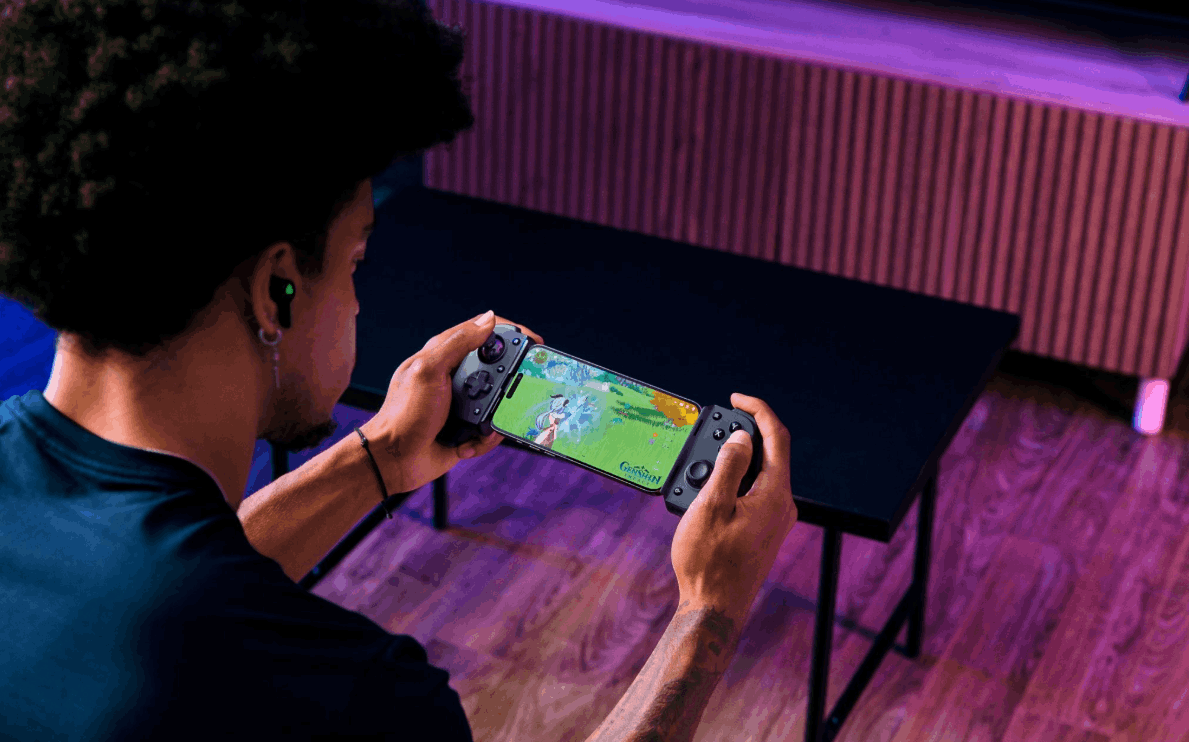
Touch controls and memory enter the fray as the wildcard, especially in Brazil's mobile-dominated market where Free Fire and PUBG Mobile rule smartphones. Unlike rigid keyboard and mouse versus gamepad hardware, touch controls and memory adapt to swipes and taps, embedding game controls and habit directly into your fingertips' spatial awareness. Muscle memory in gamers here develops through intuitive gestures—pinch to zoom, swipe to aim—that feel natural on glass screens, accelerating skill development through games for commuters and casuals alike. Studies from gaming labs show touch controls and memory build faster initial habits but require more reinforcement to match the depth of keyboard and mouse versus gamepad loyalty, a trade-off Brazilian players navigate daily by hybridizing setups across devices.
Game controls and habit aren't static; they evolve with practice regimens that supercharge muscle memory in gamers across all schemes. Start with deliberate slowness: shadow-play keyboard and mouse versus gamepad inputs without the game running, feeling each keypress embed into your neural map. Transition to touch controls and memory by remapping HUDs for thumb comfort, ensuring game controls and habit align with your hand's natural arc. Brazilian esports coaches emphasize warm-ups blending these—10 minutes keyboard and mouse versus gamepad deathmatches, followed by touch controls and memory aim trainers—to forge unbreakable muscle memory in gamers. This cross-training prevents plateaus, propelling skill development through games into elite territory where reactions border on precognition.
Yet challenges persist in optimizing muscle memory in gamers, particularly when switching between keyboard and mouse versus gamepad and touch controls and memory mid-session. Relearning game controls and habit spikes frustration, as your brain scrambles to overwrite old pathways—a phenomenon called interference that hampers skill development through games temporarily. Brazilian streamers combat this by dedicating "adaptation weeks," fully immersing in one scheme while logging metrics on muscle memory in gamers retention. Over time, this builds cognitive flexibility, letting you fluidly toggle setups without losing an edge. Tools like aim labs or custom macros further refine game controls and habit, simulating endless reps to etch perfection into your muscle memory in gamers foundation.
Real-world tales from Brazil illuminate the power of these dynamics. Take Lucas from Belo Horizonte, who ditched gamepad for keyboard and mouse versus gamepad in Valorant, watching his K/D ratio soar as muscle memory in gamers kicked in after 200 hours. Or Maria in Fortaleza, mastering touch controls and memory in Brawl Stars to top local leaderboards, her game controls and habit so dialed that taps feel telepathic. These stories underscore how control schemes shape muscle memory in players universally, fueling skill development through games regardless of origin. Whether you're grinding solo queue or team scrims, embracing varied game controls and habit unlocks doors to prowess once thought impossible.
Ultimately, muscle memory in gamers thrives on intentional game controls and habit cultivation, transcending keyboard and mouse versus gamepad divides or touch controls and memory nuances. In Brazil's passionate community, where gaming bridges favelas to arenas, this pursuit unites us—pushing boundaries of skill development through games one reflex at a time. Experiment boldly, track your evolution, and watch as control schemes sculpt you into a gaming force. The journey from novice fumbling to muscle memory in gamers virtuoso awaits; what scheme will define yours?