Keyboard Mouse Gamepad Battle
Keyboard Mouse Gamepad Battle rages at the heart of gaming evolution, pitting precision against comfort in a showdown that defines muscle memory in gamers worldwide. In Brazil's explosive esports landscape, from packed arenas in São Paulo to beachside LAN parties in Rio, players fiercely debate which reigns supreme for game controls and habit mastery. This isn't just gear talk—it's about how keyboard and mouse versus gamepad forges skill development through games, embedding reflexes so deep they become second nature. Keyboard advocates tout pixel-perfect aim, while gamepad loyalists praise fluid analog motion; both camps build unbreakable muscle memory in gamers, but the victor depends on your battlefield.
Keyboard and mouse setups dominate competitive PC realms, where muscle memory in gamers hinges on rapid, discrete inputs that game controls and habit refine into sniper-like accuracy. Picture your fingers gliding over WASD keys for seamless strafing, mouse sweeping in micro-adjustments— this synergy crafts game controls and habit tailored for twitch shooters like CS2 or Valorant. Brazilian pros, grinding in dimly lit net cafes, credit keyboard and mouse versus gamepad superiority for their 360-no-scope miracles, as the setup minimizes input lag and maximizes DPI-tuned precision. Skill development through games accelerates here because muscle memory in gamers locks in exact cursor paths, turning hours of deathmatch into instinctive dominance that touch controls and memory struggles to match in raw speed.
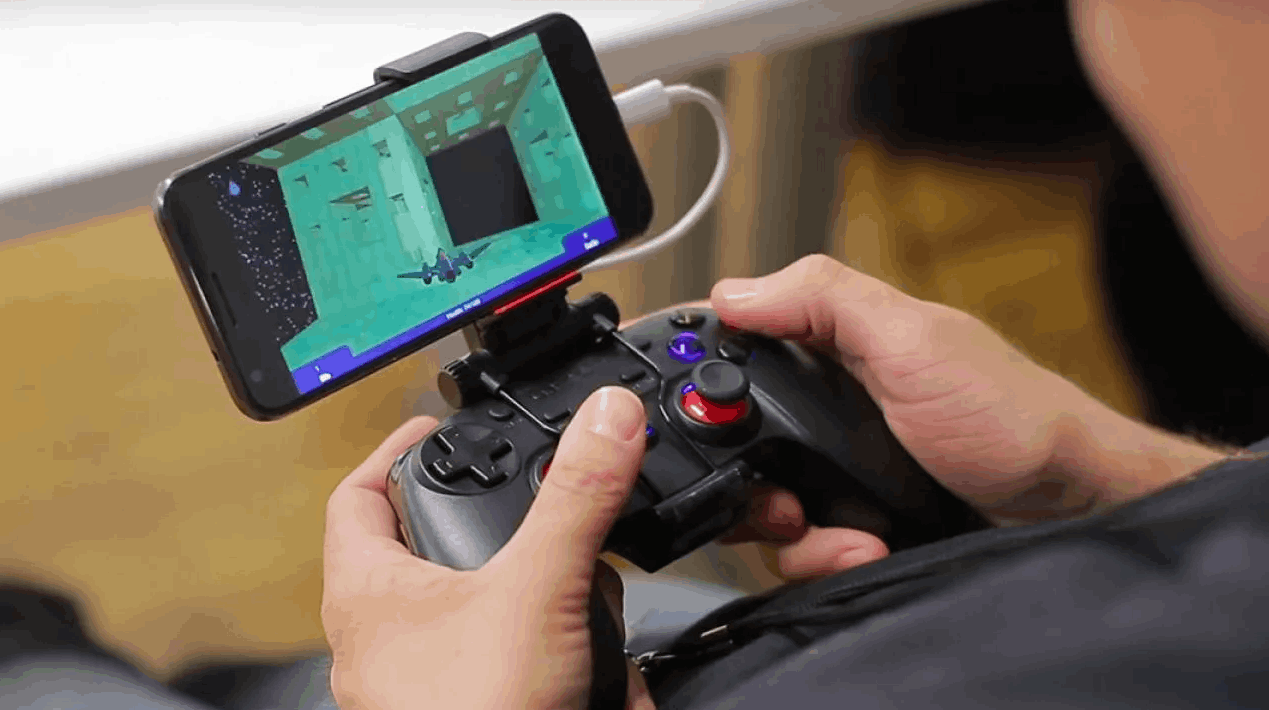
Flip to gamepad territory, and the narrative shifts to ergonomic bliss, where analog sticks and shoulder buttons nurture a different breed of muscle memory in gamers through intuitive, graded movements. Console giants like PlayStation or Xbox controllers excel in 3D actioners—think smooth dodges in The Last of Us or combo chains in Tekken—because game controls and habit flow from thumb pressure rather than binary clicks. In Brazil, where FIFA street soccer mirrors gamepad soccer sims, players build muscle memory in gamers via circular stick flicks that feel extension of the body, outshining keyboard and mouse versus gamepad in accessibility for long sessions. This analog forgiveness aids skill development through games for newcomers, gradually sharpening into pro-tier execution without wrist strain.
The true battle ignites in crossovers, like Fortnite or Apex Legends, where keyboard and mouse versus gamepad players clash on equal digital turf, exposing muscle memory in gamers biases starkly. Keyboard users flick 180-degree turns in milliseconds, their game controls and habit wired for esports precision that leaves gamepad foes eating dust in open fields. Yet gamepad wielders counter with superior building fluidity, analog sticks enabling nuanced ramps and edits that muscle memory in gamers automates through haptic feedback— a boon in Brazil's build-heavy BR metas. Touch controls and memory lurk as hybrids, but they often falter in this intensity, lacking the tactile depth for sustained skill development through games at high levels.
Muscle memory in gamers science backs the divide: keyboard and mouse versus gamepad activates distinct brain regions, with mouse training visual-motor cortex for fine targeting, while gamepad engages proprioception for holistic body awareness. Brazilian researchers at USP have mapped this, showing game controls and habit on keyboard yielding faster peak times but steeper learning curves, versus gamepad's gradual mastery curve ideal for endurance titles. To bridge gaps, hybrids emerge—elite players like those in CBCS use keyboard for aim training then switch to gamepad for movement polish, fusing muscle memory in gamers strengths for unparalleled skill development through games. Experimentation reveals personal sweet spots, often blending elements for hybrid supremacy.
Community lore from Brazil amplifies the feud with legendary tales: recall Thiago "PixelKing" Ramos, who swapped gamepad for keyboard and mouse versus gamepad mid-2024, catapulting his Overwatch rank from Diamond to Top 500 via retooled muscle memory in gamers. Conversely, Sofia "StickQueen" Vargas defended gamepad in Rainbow Six Siege invites, her analog peeks outmaneuvering mouse snipers through ingrained game controls and habit. These sagas prove neither side concedes fully; instead, understanding keyboard and mouse versus gamepad empowers choice, accelerating skill development through games tailored to your style—be it frantic clicks or silky glides.
Customization tips fuel the fire: remap keyboard and mouse versus gamepad bindings for ergonomic bliss, tweak mouse acceleration off for pure muscle memory in gamers input, or calibrate gamepad deadzones to eliminate drift. Brazilian Discord hubs host "battle nights," pitting setups head-to-head with metrics on kills per minute, revealing how game controls and habit evolve under pressure. Touch controls and memory observers note their rise, but in pure duels, traditional titans endure. Ultimately, this keyboard mouse gamepad battle shapes destinies, urging gamers to test, adapt, and conquer with muscle memory in gamers as their weapon.
As Brazil's scene surges toward global contention, the debate endures, inspiring innovation in game controls and habit that propel skill development through games forward. Whether you pledge keyboard allegiance for godlike aim or gamepad for godly flow, embrace the battle—your muscle memory in gamers awaits its champion.